New to beekeeping?
Starter Kits
Everything you need to get started!
Second Quality
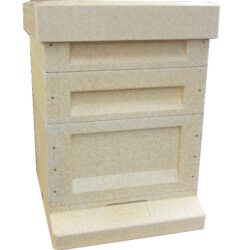
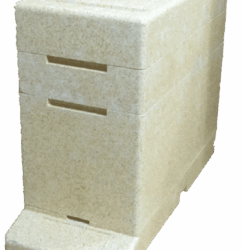
Rock Bottom Bee Hives
Available Flat Packed or Assembled
Everything you need to get started!
Available Flat Packed or Assembled
Excellent Insulation
Easy Assembly – No Runners required
Available indivuidually or as complete hives
Whether you’re brand new to beekeeping or you’ve been tending hives for years, having the right tools makes every inspection smoother, safer, and far more enjoyable. Beekeeping doesn’t require a garage full of gadgets — but there are a handful of essentials that every keeper should own.
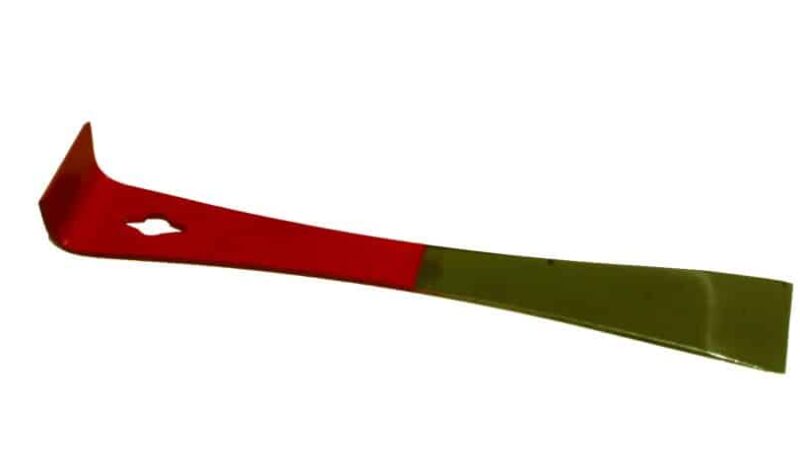
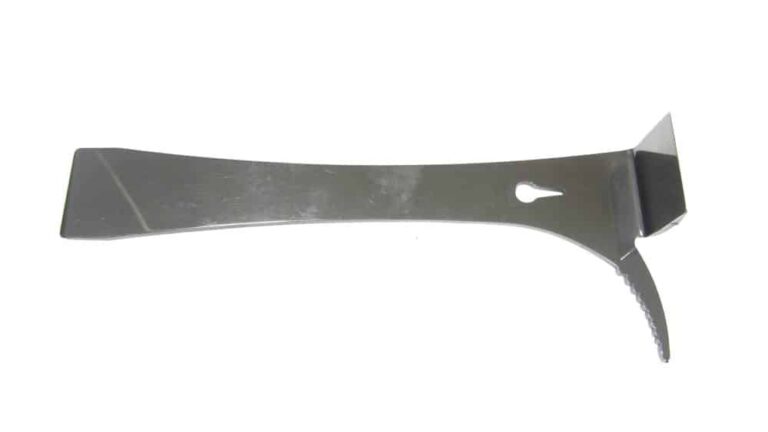
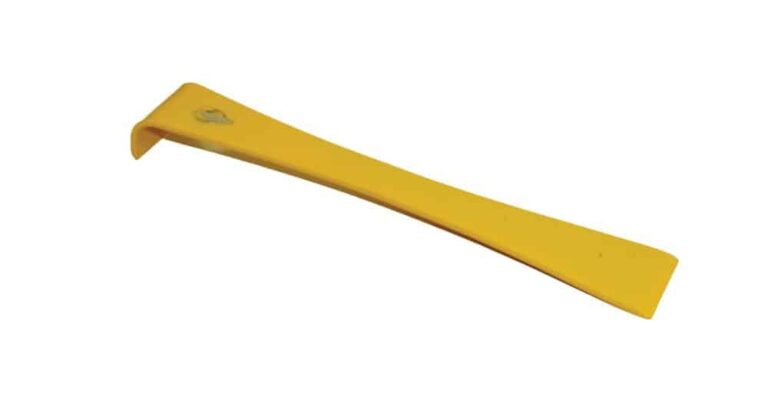
If there’s one tool you’ll use every single time you visit your bees, it’s the hive tool.
Bees glue everything together with propolis — frames, boxes, covers, you name it. The hive tool gives you the leverage you need to gently separate hive components without damaging the wood or the bees.
Tip:
Choose a brightly colored one so you don't lose it in the grass — this happens more than you'd think!
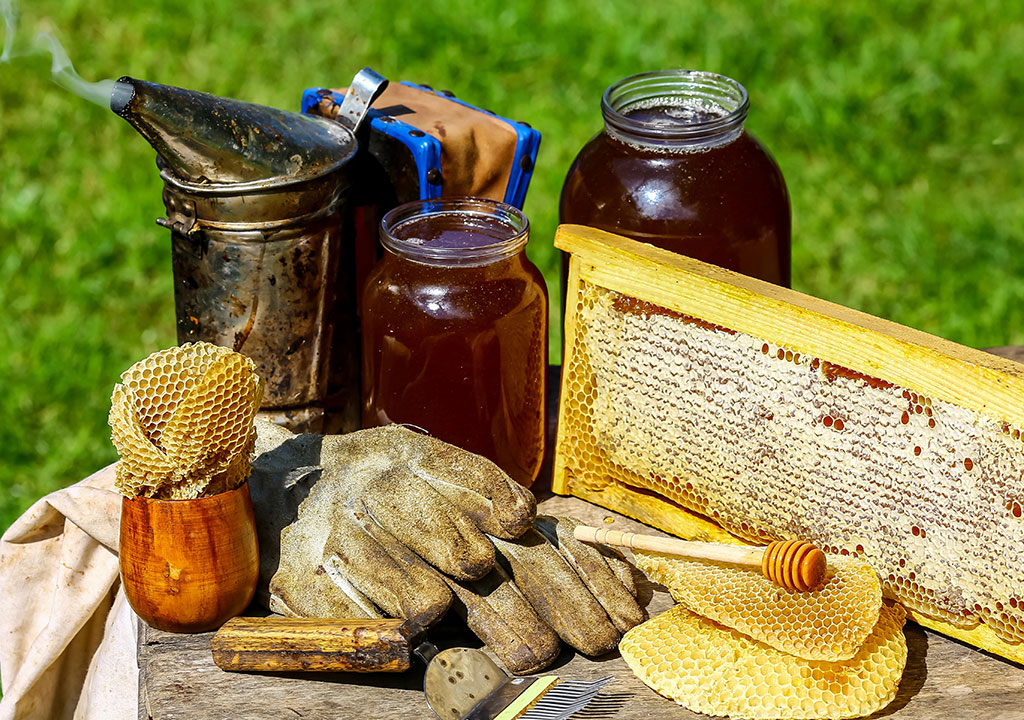
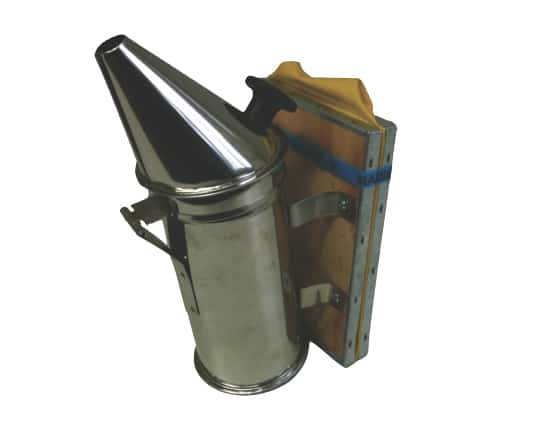
The smoker is the beekeeper’s best friend when it comes to managing bee temperament. A few gentle puffs of cool smoke help mask alarm pheromones, reducing defensive behavior.
Why you need it
Calms the hive before inspection
Encourages bees to move deeper into the frames
Helps you work more confidently
Pro Tip:
Use natural fuels like pine needles, wood pellets, or untreated burlap for clean, cool smoke that lasts.
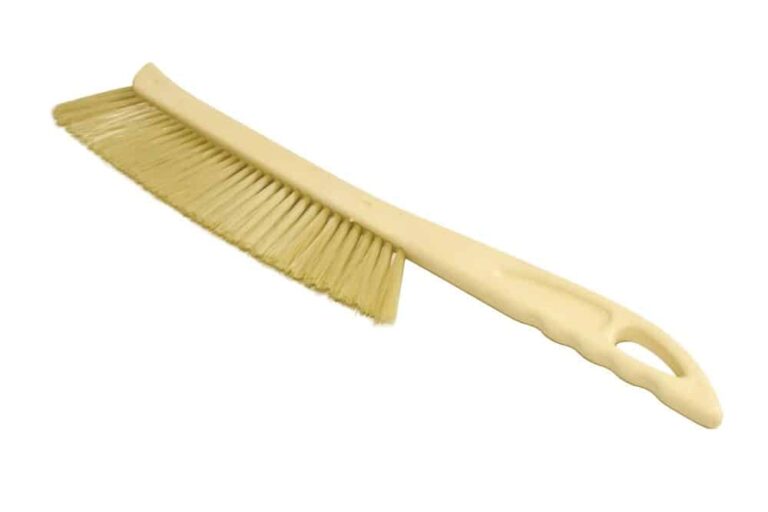
A bee brush looks simple, but it's incredibly useful. When you need to clear bees from frames, supers, or harvested honey, this soft brush helps move them without harm.
When to use it
Harvesting honey
Moving bees off frames to inspect brood
Clearing bees from lids or boxes
Never brush too aggressively — gentle strokes prevent agitation.
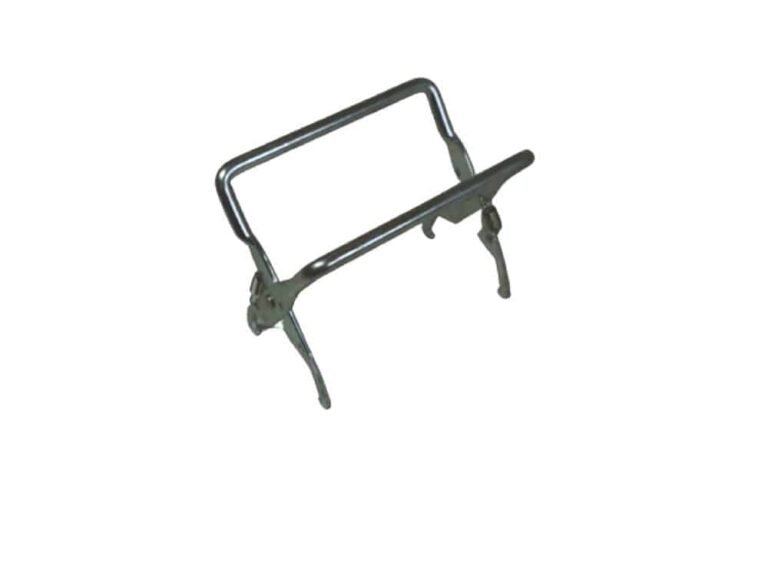
A frame grip works like a pair of sturdy tongs. It clamps the top bar of a frame, giving you a firm hold when lifting heavy or tightly glued frames.
Why it’s helpful
Reduces wrist strain
Ideal for new beekeepers still learning to handle frames
Useful during nectar flows when frames are heavy with honey
Use alongside your hive tool — lift slightly with the tool, then grab with the frame grip.
Finding your queen can be tricky, especially in a bustling hive. Marking her with a small colored dot makes locating her much easier.
Why it’s useful
Helps you confirm queen health quickly
Allows you to track the queen’s age
Makes requeening easier
White – years ending in 1 or 6
Yellow – years ending in 2 or 7
Red – years ending in 3 or 8
Green – years ending in 4 or 9
Blue – years ending in 5 or 0
Bees sometimes need a helping hand, especially during early spring, late fall, or after installing a new colony. Feeders make this simple.
Types of feeders
Top feeders – easy to refill, great for large colonies
Entrance feeders – great for small hives or cool weather
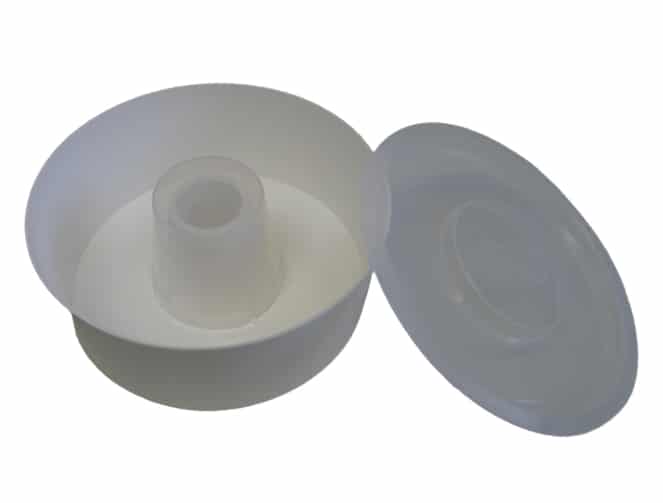
Frame feeders – sit inside the hive, protected from robbing
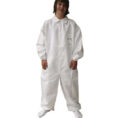
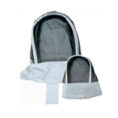
Beekeeping should be enjoyable, not stressful. A good-quality bee suit gives you the confidence to work calmly, which keeps the bees calmer, too.
What to look for
Veil that fully seals
Ventilated fabric for hot days
Elasticated cuffs
Durable zippers
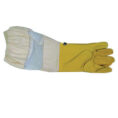
Leather gloves offer great protection but make it harder to feel delicate movements. Nitrile gloves give more dexterity once you're comfortable.
When it’s time to extract honey, you’ll need a way to remove the wax cappings that seal each honey cell.
Options include
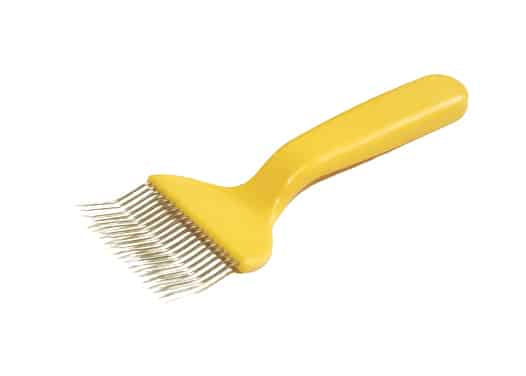
Uncapping fork – great for beginners
Hot knife – quick and efficient
Roller tools – low mess, ideal for small harvests
Keep tools warm (but not hot) to make uncapping smoother and cleaner.
A frame holder attaches to the side of your hive and gives you a clean, safe place to rest frames during inspections.
Why it’s useful
Prevents crushing bees by leaning frames on the ground
Keeps frames clean and off the grass
Frees both hands for inspecting the box
Especially helpful when you’re working alone or inspecting deep brood boxes.
Simple but incredibly useful, the entrance reducer does exactly what it sounds like — it narrows the hive entrance.
Why it matters
Helps small colonies defend against robbing
Reduces drafts and heat loss
Keeps mice out in winter
Controls ventilation
Use a wide entrance in summer, then reduce it when nectar slows or the colony size decreases.
These ten tools form the backbone of a beekeeper’s toolkit. With them, you’ll be able to perform inspections confidently, keep your bees healthy, and handle honey with ease. As you grow in experience, you may add more specialized tools — but this list will take you through every season and every challenge.

We'll email you all the latest news, offers and promotions so you'll always be up to date!
Will be used in accordance with our Privacy Policy
No account yet?
Create an Account
Recent Comments